Low Cost Storage Storage Lingo

Self-Storage Terms Made Simple

Storage should not feel confusing. Whether you are renting your first unit, comparing features, or trying to understand the difference between storage types, it helps to know the common terms you will see along the way.

Knowing a few basic storage terms can make it easier to compare unit types, understand facility features, and choose the right option for your needs. Whether you need personal storage, contractor storage, vehicle storage, or a more specialized solution, understanding the language helps you make a more confident decision.
  • Access Hours: The times when you are allowed to enter the storage facility and access your unit. Access hours are not always the same as office hours.
  • Autopay: A payment option that automatically charges your card or bank account each month so you do not have to remember to make a manual payment.
  • Boat Storage: Storage space designed for boats, often in outdoor parking spaces or larger storage areas that can accommodate trailers and watercraft.
  • Business Storage: Storage used by small businesses, contractors, retailers, and service companies for inventory, supplies, records, tools, and equipment.
  • Climate-Controlled Storage: A storage unit designed to help protect items from extreme temperature changes. This is often a smart option for furniture, electronics, documents, and other sensitive belongings.
  • Coded Gate Access: A security feature that requires a personal code to enter the storage property through an electronic gate.
  • Contractor Storage: Storage used by contractors and service professionals for tools, materials, equipment, work trailers, and jobsite overflow.
  • Decluttering Storage: A short-term or ongoing storage solution used to clear out extra items from your home, garage, or apartment without getting rid of them.
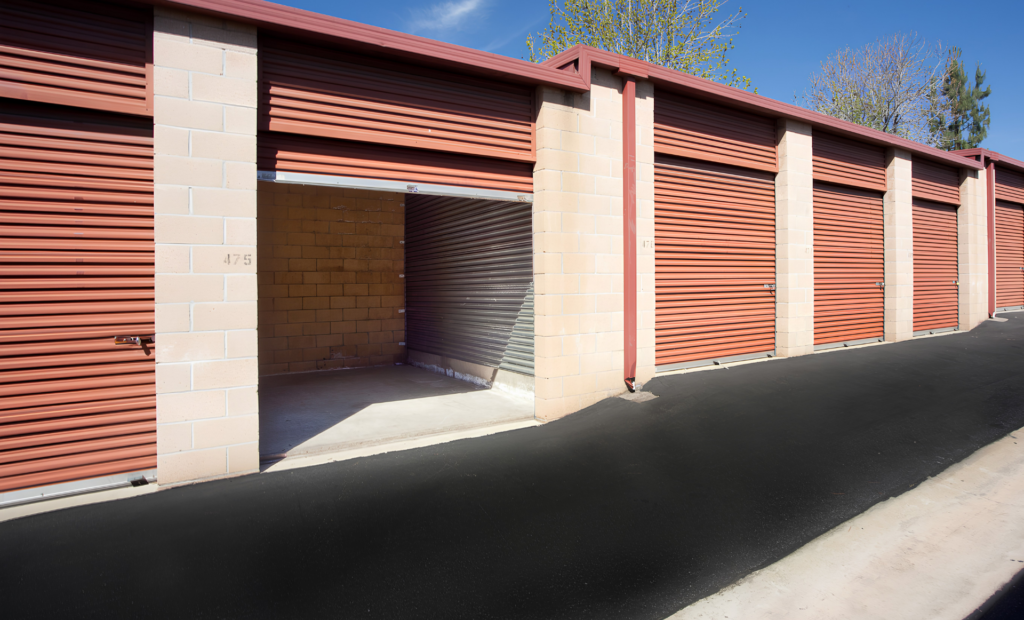
  • Drive-Up Storage: A storage unit you can drive right up to, making loading and unloading easier. This is often one of the most convenient options for moving, furniture, and heavy items.
  • Electronic Surveillance: A security feature that uses cameras to monitor activity around a storage property.
  • Equipment Storage: Storage space for work tools, machinery, seasonal equipment, and business supplies.
  • Ground-Level Unit: A storage unit located on the first level, making it easier to access without stairs or elevators.
  • Humidity-Controlled Storage: A storage option designed to help reduce moisture-related risks for delicate items such as documents, fabric, antiques, collectibles, or other sensitive belongings.
  • Indoor Storage Unit: A storage unit located inside a building rather than outside with direct drive-up access. Indoor units may offer added protection from outdoor conditions.
  • Indoor Vehicle Storage: A covered or enclosed space used to store cars, trucks, or other vehicles indoors for added protection.
  • Long-Term Storage: Storage rented for an extended period of time, often for seasonal items, extra household belongings, vehicles, business inventory, or life transitions that last several months or longer.
  • Month-to-Month Rental: A flexible rental agreement that renews monthly instead of locking you into a long-term lease.
  • Moving Supplies: Items sold at some storage facilities to help with packing and moving, such as boxes, tape, mattress covers, and bubble wrap.
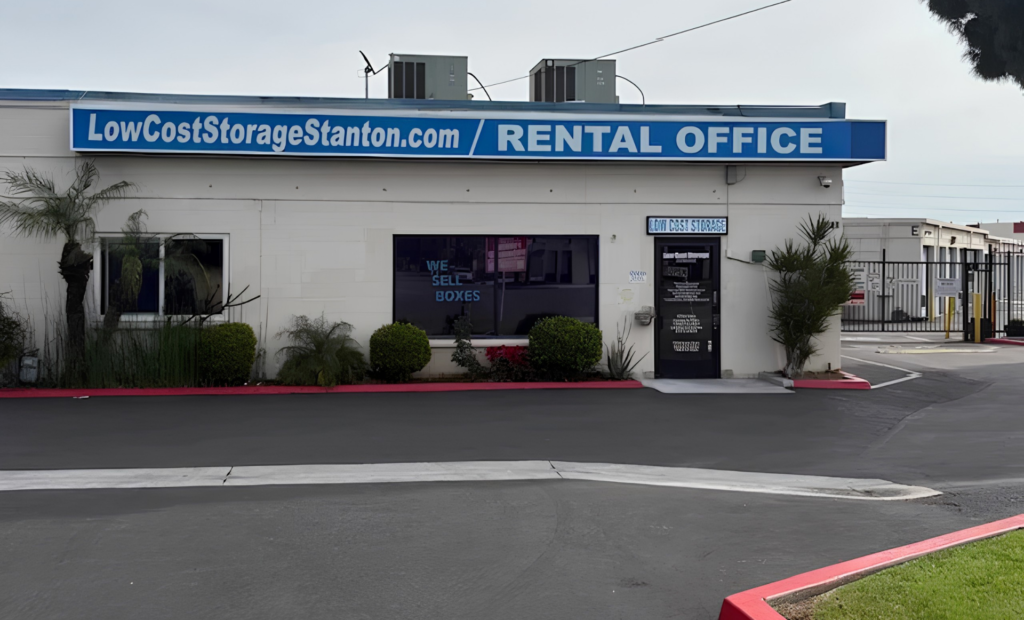
  • Office Hours: The hours when staff are available in the office to answer questions, take payments, and help customers.
  • Onsite Management: A feature where staff or management are physically present at the facility during business hours.
  • Outdoor Vehicle Storage: A parking-style storage option for vehicles, trailers, RVs, and boats stored in an outdoor space inside the property.
  • Personal Storage: Storage space used for household items like furniture, clothing, keepsakes, decorations, boxes, and other personal belongings.
  • Roll-Up Door: The metal door commonly used on storage units that opens upward instead of swinging out.
  • RV Storage: Storage space for recreational vehicles such as motorhomes, campers, and travel trailers.
  • Security Features: The systems and protections used at a storage facility, which may include coded gate access, electronic surveillance, fencing, lighting, and onsite staff.
  • Short-Term Storage: Storage rented for a shorter period, often during moves, remodeling, downsizing, college breaks, or temporary life changes.
  • Size Guide: A tool or page that helps customers understand what typically fits in different storage unit sizes.
  • Student Storage: Storage used by college students during summer, semester breaks, relocations, or housing transitions.
  • Temperature-Controlled Storage: A storage option that helps maintain a more stable temperature inside the unit to better protect sensitive belongings.
  • Trailer Storage: Storage space for work trailers, travel trailers, cargo trailers, and other tow-behind vehicles.
  • Unit Size: The dimensions of a storage unit, usually shown as width by depth, such as 5×5, 10×10, or 10×20.
  • Vehicle Storage: A broad term for storage used for cars, trucks, RVs, trailers, motorcycles, boats, and other vehicles.
  • Wine Storage: A specialized storage option for wine collections that may offer temperature or humidity control for added protection.
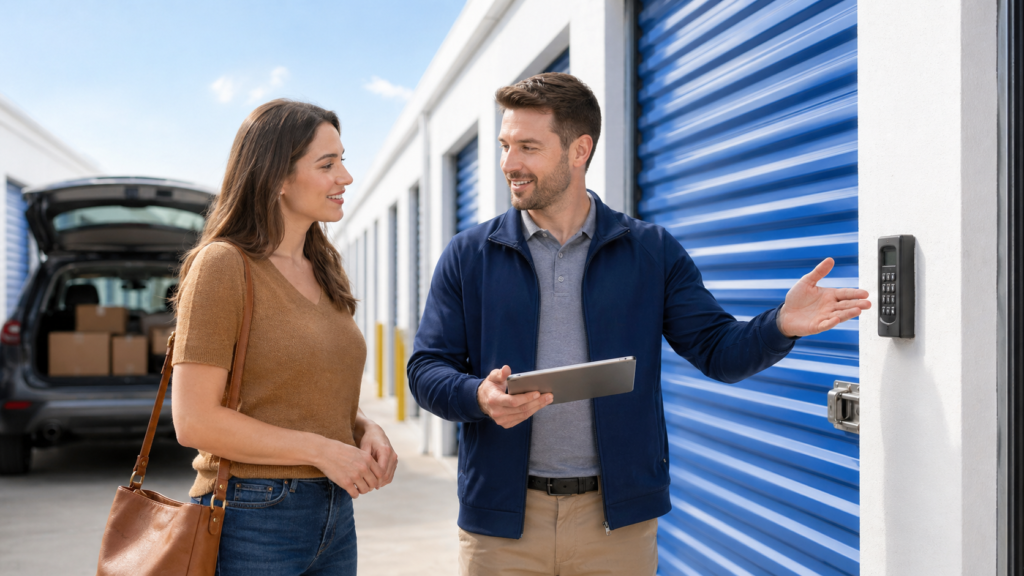
Self Storage in Paramount, CA, features secure, affordable units. Customer and staff by blue doors, discussing keypad entry.

Need Help Choosing the Right Storage Option?

If you are not sure which type of storage is right for you, our team can help. Contact Low Cost Storage today and we will help you find a solution that fits your space, budget, and access needs.

Convenient Storage Locations​

Low Cost Storage has locations serving California and Colorado, with storage options that vary by facility. Each location offers its own mix of unit sizes, access hours, features, vehicle storage options, and customer services.